My Approach
Therapy is often treated as a black box. It should not be.
I reject the "guru" model in favor of transparency. You deserve to know the mechanics of your treatment. I rely on rigorously-tested, evidence-based therapies, and I believe you have the right to have them explained.
These therapeutic approaches are not magic. They are simply the best methods I have available to help promote your goals.
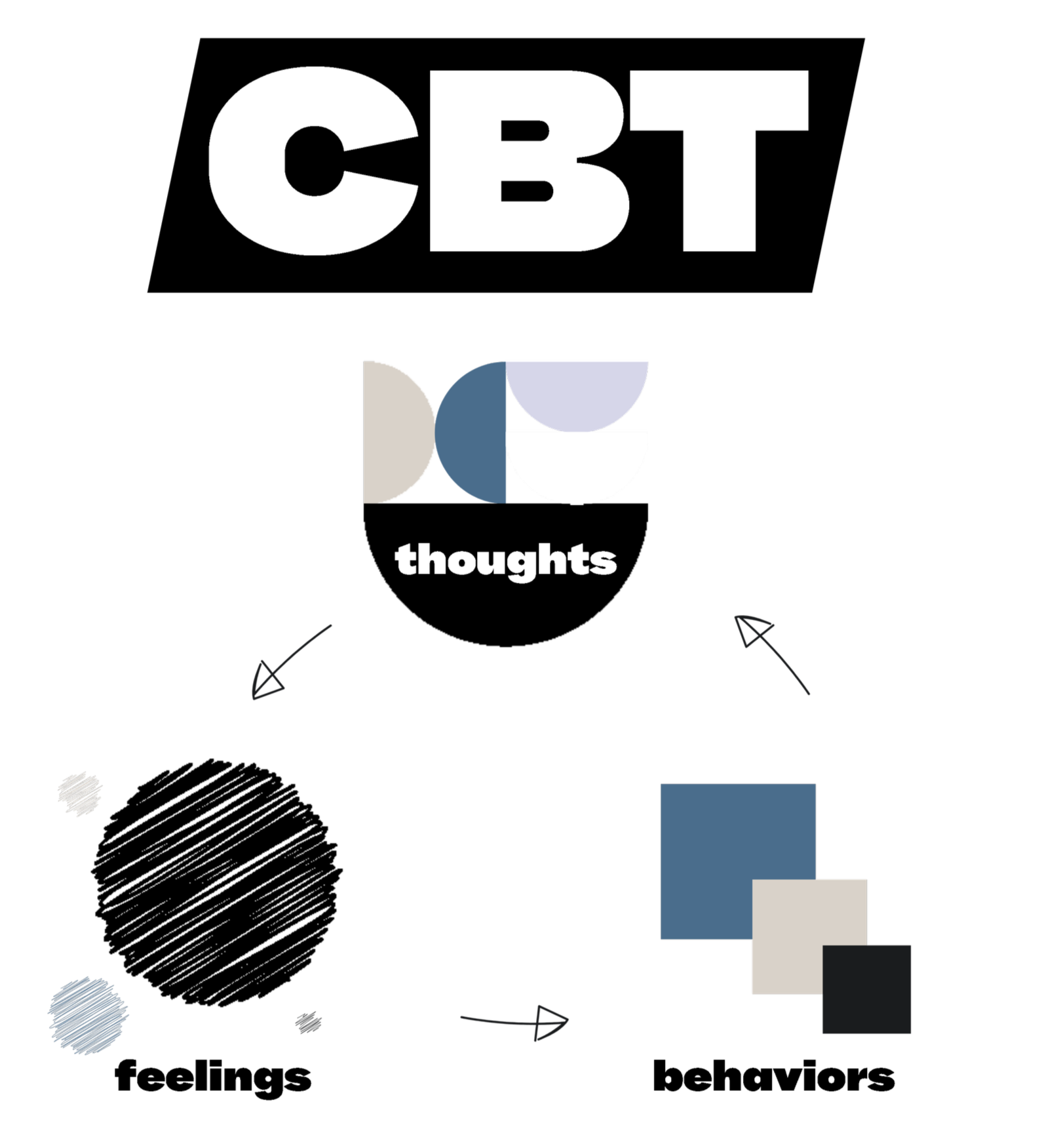
COGNITIVE BEHAVIORAL THERAPY (CBT)
CBT is the most researched approach to therapy in modern times. It explores the interconnected roles of thoughts, actions, emotions, and physical sensations. When you understand how these four things loop together to create a problem, you can identify exactly where to "break the circuit." CBT helps you get precise and take action.
ACCEPTANCE AND COMMITMENT THERAPY (ACT)
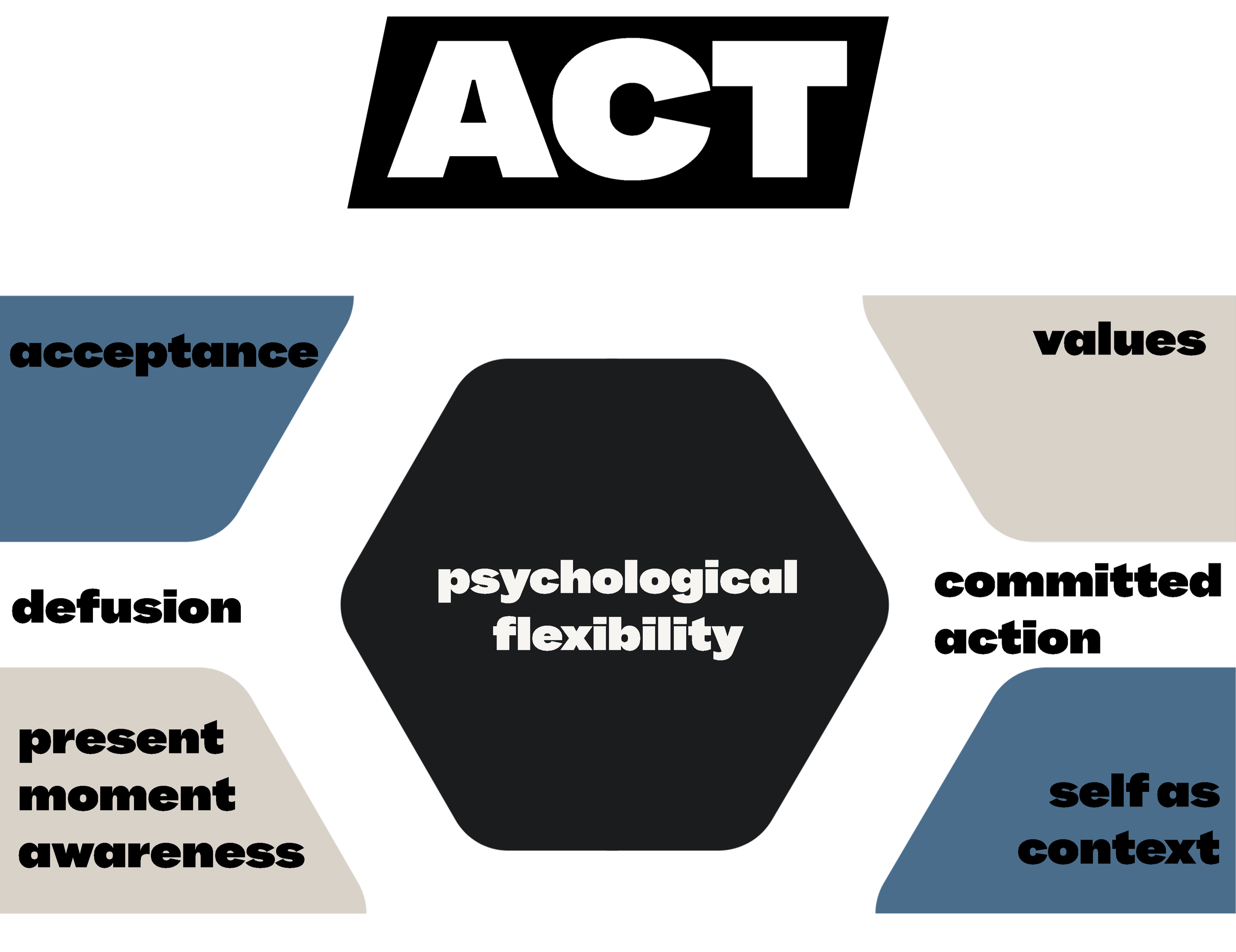
ACT proposes that thoughts - while sometimes upsetting - don’t always need to be changed or "fixed." In fact, trying too hard to change your thoughts can often make them louder. In ACT, we work on "psychological flexibility." By gaining some distance from fleeting thoughts and sensations, you become freer to do the things that matter most to you without so much inner resistance.
MOTIVATIONAL INTERVIEWING (MI)
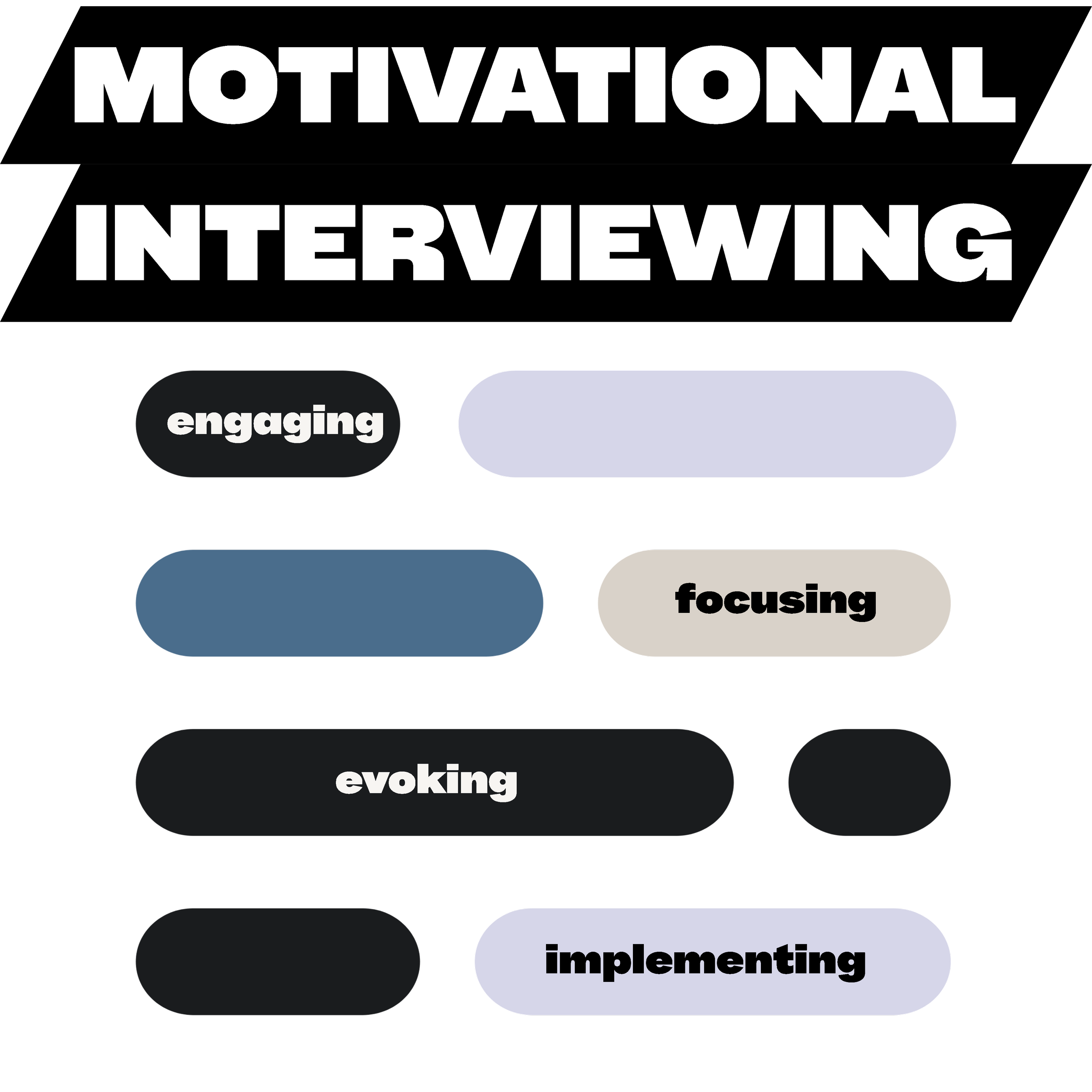
Most people come to therapy feeling "stuck" - part of them wants to change, and part of them really doesn't. MI is designed to navigate that ambivalence. Instead of me "convincing" you to change (which rarely works), we work together to uncover your own internal reasons and strengths. It’s a collaborative conversation focused on turning "I should" into "I’m ready."
EXISTENTIAL THERAPY
Life can feel chaotic, and some problems don't have a "quick fix" because they are simply part of the human experience - things like loss, the pressure of making big choices, or finding a sense of purpose. Existential therapy is about confronting these "big questions" head-on. We focus on your freedom to choose your own path and how to live a life that feels authentic to you, even in the face of uncertainty.
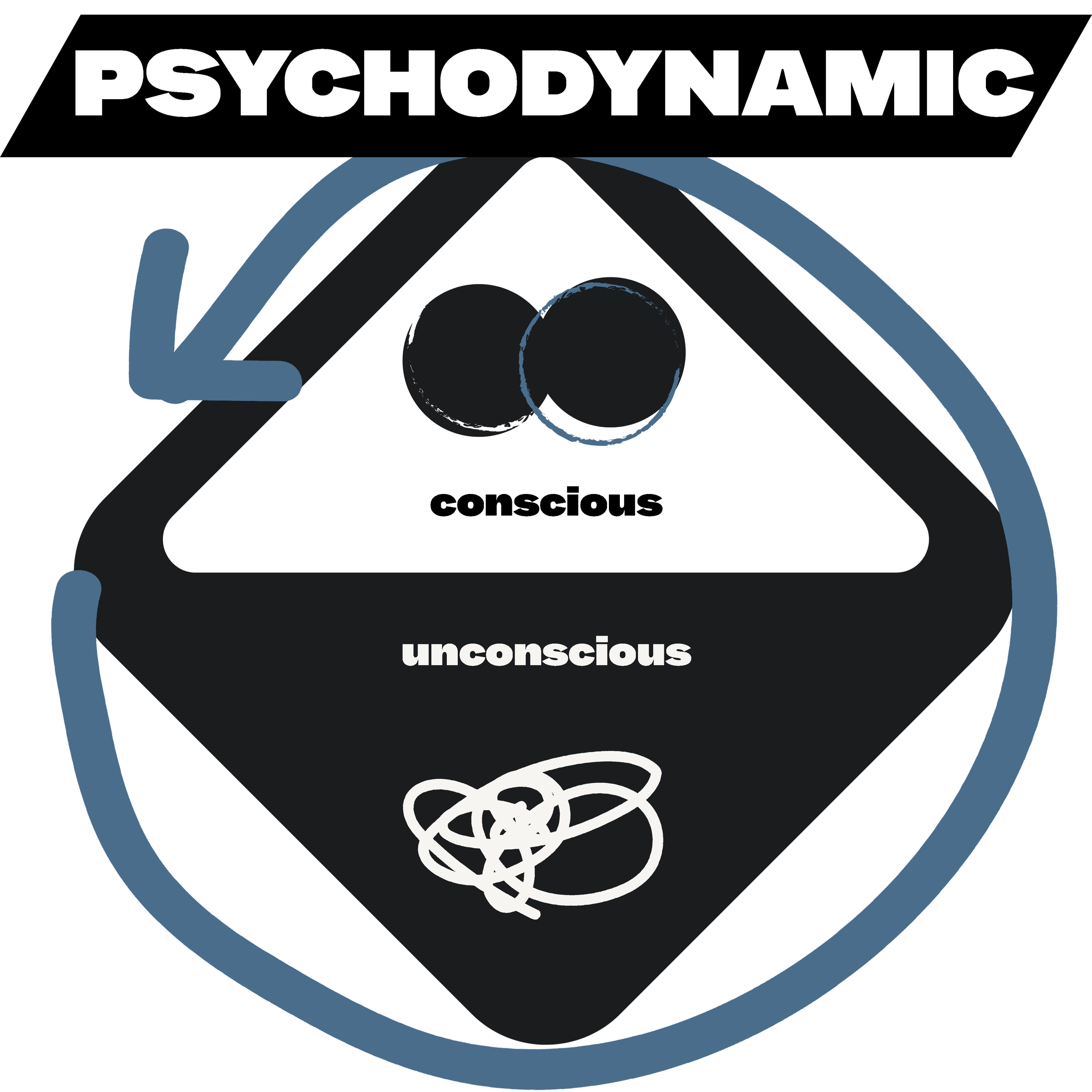
PSYCHODYNAMIC AND ATTACHMENT-FOCUSED THERAPY
This is the "deep dive" into your personal history. We look at how your past experiences - specifically your earliest relationships - have shaped the patterns and lenses through which you see the world today. By understanding the "why" behind your current reactions, we can update those old blueprints so they stop interfering with your current life and relationships.